If you are drawn to Milton for the idea of open land, horses, and privacy, you are not alone. This part of North Fulton offers a version of estate living that feels distinctly rural while still keeping you connected to metro Atlanta. The key is knowing that not every large property works the same way, and not every parcel with acreage is automatically horse-ready. In this guide, you’ll get a practical look at what equestrian and estate living in Milton actually means, what to verify before you buy, and how to think about long-term value. Let’s dive in.
Milton’s Equestrian Identity
Milton has a real horse-country presence, not just a marketing label. The city describes a strong equestrian community tied to its rural heritage, with horse farms spread throughout the area rather than confined to one district. An official farm census found more than 200 active horse farms around Milton, which gives buyers a useful sense of scale.
That rural feel is also reflected in how the city uses land. Milton says it is almost entirely residential, with 60% zoned residential and 30% agricultural. In city planning materials, the Agriculture, Equestrian, and Estate Residential category supports hobby farms, equestrian facilities, and large-lot estate living.
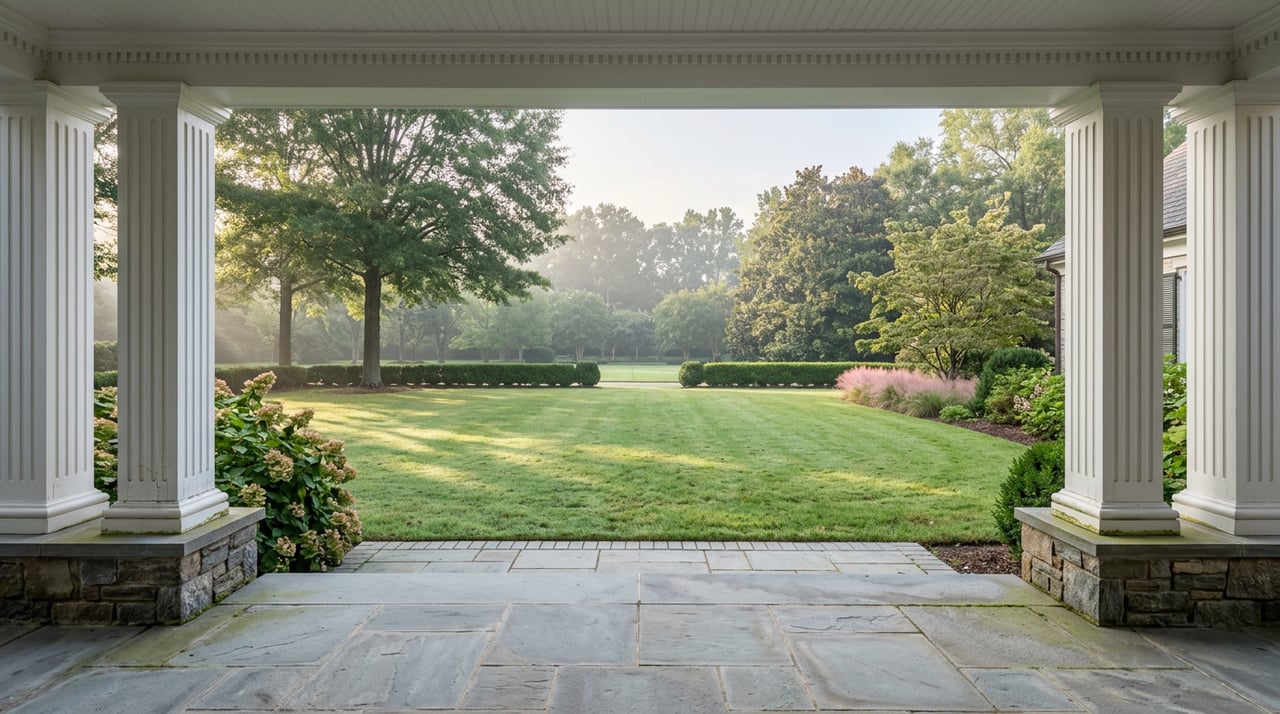
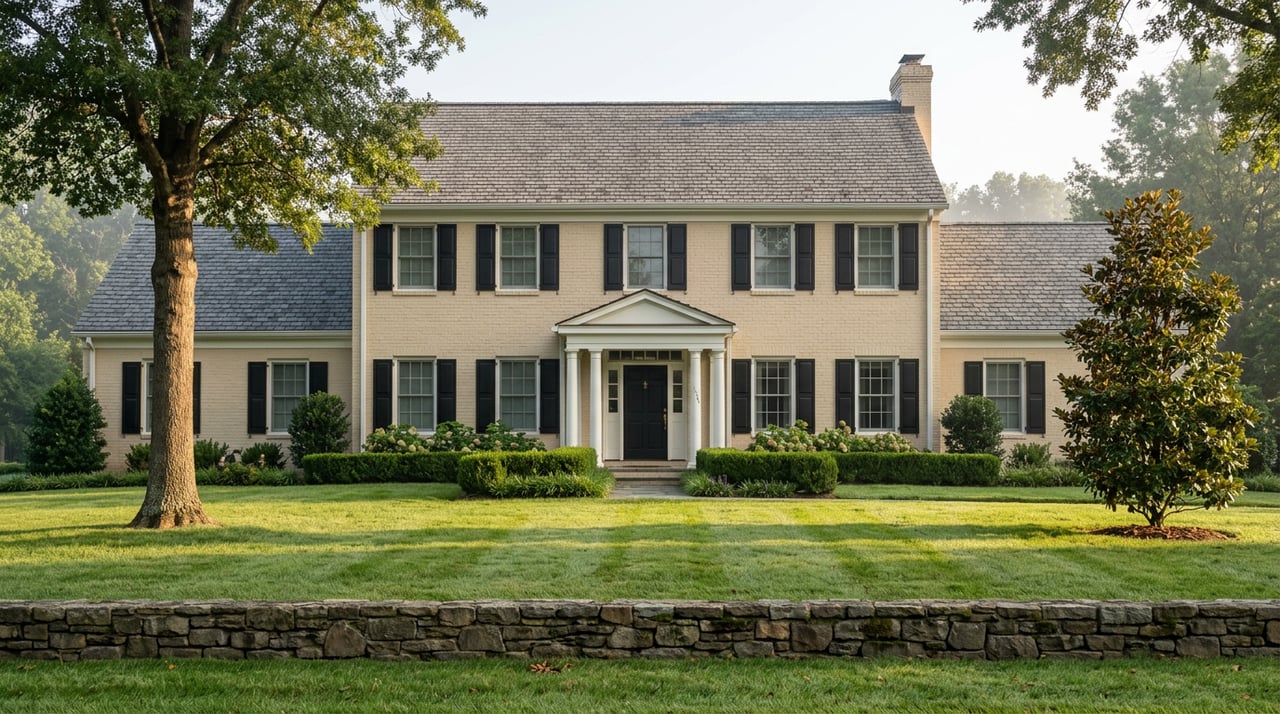
For many buyers, that combination is the appeal. You can find a setting with open space, larger homesites, and room for barns or outdoor amenities, while still staying in North Fulton. It is a different lifestyle from a more conventional subdivision or club community.
What “Estate Living” Means in Milton
In Milton, estate living usually starts with land. The city defines a large lot as any property that is 3 acres or larger, and its planning vision for estate and equestrian areas includes minimum 3-acre lots on gravel roads. That vision helps explain why some parts of Milton feel more pastoral and spread out than nearby suburban markets.
Still, planning language and zoning are not the same thing. The city’s Agriculture, Equestrian, and Estate Residential category reflects the character Milton wants to preserve, but zoning is what controls what you can actually do with a property today. That includes lot size, setbacks, and allowed uses.
This is one of the biggest points buyers miss. A parcel may look perfect for horses or future outbuildings, but the zoning district and any private covenants will decide what is realistic. If you are considering an estate purchase, this is where careful due diligence matters.
Zoning Matters More Than Acreage
Acreage is important, but it is only part of the story. Milton says AG-1 is its most common zoning district, and AG-1 lots must be at least 1 acre, with future AG-1 lots meeting a 150-foot minimum width at the building line. Those standards can affect how a parcel functions now and what changes may be possible later.
Animal rules are also important. Outside agriculture-zoned areas, Milton’s animal-control FAQ caps horses, mules, asses, and cows at five per premises. If you plan to keep multiple horses, you should confirm the zoning before assuming a property will fit your goals.
This is especially relevant for relocation buyers. It is easy to see fencing, open pasture, or a neighboring barn and assume the same use will work on your lot. In Milton, the legal framework matters as much as the visible setting.
Barns and Accessory Structures
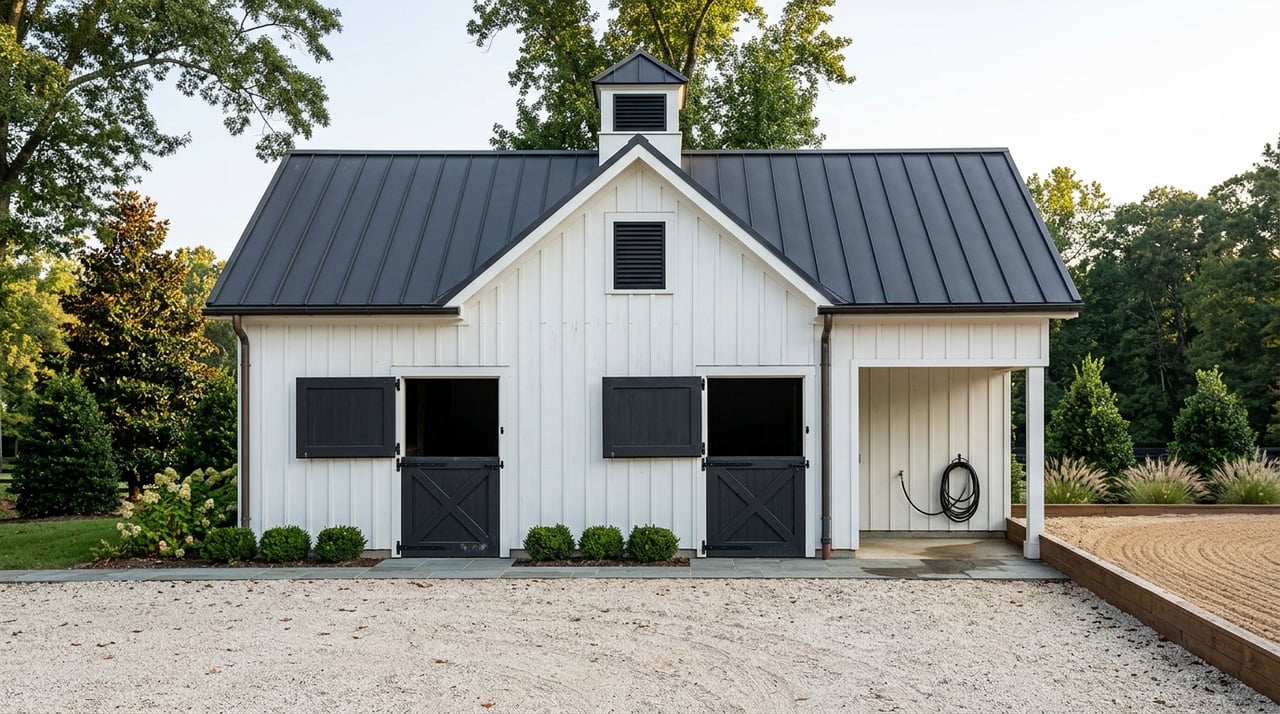
Many buyers think of a barn, run-in shed, or tack building as a simple add-on. In Milton, these improvements are generally treated more like formal building projects. The city says residential permits are generally required for storage buildings, sheds, garages, and similar detached accessory structures.
For horse properties, that means planning ahead. A barn or similar structure is not something to treat as a casual backyard improvement. If your vision includes equestrian infrastructure, permit requirements should be part of your buying decision from the start.
This also affects timeline and budget. Even if the land seems ideal, your ability to improve it depends on review, approvals, and site constraints. The more specific your plans are, the more important it is to verify details before closing.
Setbacks Can Shape the Entire Property
Setbacks are one of the most practical issues in Milton equestrian living. City coverage of barn variances shows that structures housing animals are typically held to a 100-foot setback from property lines, and in some cases a 150-foot setback from an occupied structure. On paper, that may sound manageable, but on a real lot it can significantly shape where improvements can go.
This is why lot layout matters as much as lot size. A parcel with usable dimensions, topography, and access may work far better than a larger property with tighter placement constraints. You want to think about the building envelope, not just the acreage number.
There is also limited flexibility after the fact. Milton notes that variances do not provide relief from minimum lot area or minimum lot frontage. In other words, a buyer should not assume a future variance will solve every planning issue.
Subdivision Potential Requires Caution
Some buyers view acreage as both a lifestyle purchase and a future land play. In Milton, that approach calls for extra care. In April 2026, the city extended a moratorium on certain AG-1 subdivision applications while reviewing standards for newly created AG-1 lots under 3 acres.
The takeaway is simple: do not assume you will be able to split land later. Even if a property looks like it could support subdivision, the city’s current review process and evolving standards may affect what is possible. If future division is part of your strategy, that should be evaluated carefully before purchase.
For resale planning, this matters too. A parcel with straightforward use today can be easier to position than one where value depends on a speculative future split.
Riding Access and Public Infrastructure
Milton’s horse culture is not limited to private properties. The city’s Trails Advisory Committee says its mission includes preserving Milton’s rural nature through an all-encompassing trail network, with opportunities to walk, bike, and ride horses. That public commitment says a lot about how the city views equestrian life.
Birmingham Park is one of the clearest examples. The city says the park has nine natural-surface multi-use trails used by equestrians and hikers. In 2022, upgrades added a horse-trailer parking lot, hitching posts, connecting trails, and a dedicated water source for horses.
Nearby, the Freemanville/Birmingham greenspace is also described by the city as horse-friendly. It is a 12-acre pasture-like greenspace with room for horse trailers to turn around. For riders, that kind of infrastructure adds real value to everyday living.
Everyday Rules Reflect the Horse Lifestyle
Milton’s local rules also show how established the equestrian community is. The city notes that farm equipment is allowed for short trips and that horses are preferred on marked trails during daylight hours. That gives buyers a better feel for how horse movement is accepted, while still being regulated.
Even quality-of-life ordinances reflect this culture. Milton has expanded fireworks restrictions near equine properties, a reminder that horse and barn safety are considered in local governance. These small details help explain why Milton feels different from other high-end suburban markets.
For buyers, this means the lifestyle is supported, but it is not informal. It works best when you understand both the benefits and the rules that come with it.
Estate Parcels vs HOA Communities
Not every Milton luxury property offers the same ownership experience. Equestrian and estate living is usually shaped by acreage, setbacks, animal rules, and the feasibility of accessory structures. Golf and swim communities, by contrast, are shaped more by shared amenities, HOA dues, and covenant packages.
That difference can be significant. Some estate parcels in Milton have no HOA at all, while others sit inside private communities with detailed design standards and monthly fees. A current example is The Homestead at Milton, where a 4.42-acre estate homesite is listed at $1.425 million and carries $833 per month in HOA fees.
By contrast, a 1.63-acre Milton estate listing on Thompson Road is marketed with no HOA and room for future amenities such as a pool, pool house, or a tennis or pickleball court. That kind of setup can offer more control, but it also places more responsibility on you to manage the land and any improvements.
Pricing in Milton’s Estate Market
Milton is already a high-value market before you add significant land. In spring 2026, Redfin showed a median sale price of $1.07 million, Zillow reported an average home value of $941,274, and Realtor.com listed a median listing price of $1.38 million. Homes were generally selling in about 34 to 46 days, depending on the source.
Acreage can push pricing much higher. Recent examples in Milton include a 3.1-acre estate that sold for $2.499 million, a 1.63-acre no-HOA estate listed at $2.699 million, a 4.42-acre estate homesite listed at $1.425 million, and a 12-acre gated estate listed at $13.85 million. These are not averages, but they show the wide range you may encounter.
For buyers, the main lesson is that price is driven by more than square footage. Land, privacy, entitlement risk, and improvement potential all influence value in this segment.
Carrying Costs and Ownership Planning
Owning a Milton estate or horse property comes with ongoing responsibilities beyond the mortgage. Maintenance can include fencing, landscaping, pasture care, driveway upkeep, and safety planning for any outbuildings. Those costs should be part of your decision from day one.
Milton Fire-Rescue offers free barn or stable safety evaluations and reviews issues such as electrical safety, fire escape planning, chemical storage, extinguishers, alarms, and sprinklers. That is a strong reminder that horse-property ownership includes real operational planning. A beautiful barn still needs to function safely.
There may also be tax considerations for qualifying agricultural property. Milton says Fulton County manages Conservation Use Value Assessment for eligible parcels, and the Georgia Department of Revenue says conservation-use land is assessed at 40% of current use value. That can help offset carrying costs, but eligibility depends on the parcel and its use.
Resale Starts on Day One
One of the smartest ways to think about a Milton estate purchase is through the lens of future resale. The more a property depends on horse-specific infrastructure, unusual setbacks, or a complex covenant package, the more targeted the future buyer pool may be. That does not reduce value, but it does affect how the property should be positioned.
Good records matter here. Surveys, permits for barns and accessory structures, HOA documents, agricultural-use records, and any variance history can all help support a smoother resale process later. Buyers in this segment tend to be detail-oriented, and clear documentation builds confidence.
That is one reason local guidance is so valuable in Milton. Estate and equestrian properties can look similar online while functioning very differently in practice.
If you are weighing Milton estate living, horse-property potential, or the tradeoff between a private acreage parcel and a community setting, the right advice can save you time and protect your options. For tailored guidance on Milton’s upper-tier market, connect with Michael Stevens for a free market consultation.
FAQs
What makes Milton, GA different for equestrian living?
- Milton has a city-recognized equestrian community, more than 200 active horse farms, horse-friendly public trail infrastructure, and land-use planning that supports rural and estate character.
Can you keep horses on any large property in Milton?
- No. Acreage alone does not guarantee horse use. Zoning and any private covenants determine what is allowed, and outside agriculture-zoned areas the city caps horses, mules, asses, and cows at five per premises.
What should you verify before buying a Milton horse property?
- Confirm zoning, setback requirements, permit needs for barns or sheds, any HOA or covenant restrictions, and whether your intended use fits the parcel’s layout and legal limits.
Are barns and riding arenas allowed in Milton?
- They may be possible, but they are not casual improvements. Milton generally requires permits for detached accessory structures, and some arena-style improvements may require additional review or use permits.
How is Milton estate living different from a golf community?
- Estate living is usually centered on land control, privacy, and property-specific rules, while golf communities are more often shaped by shared amenities, HOA dues, and design standards.
What price range should you expect for Milton estate properties?
- Milton is already a higher-price market, and acreage can raise values significantly. Recent examples in the city range from about $1.425 million for an estate homesite to $13.85 million for a large gated estate.